Theatrical Keynotes
&
Narrative Interventions
Dr. Liz DeBetta brings a unique blend of award-winning performance and scholarly rigor to the stage, transforming personal truth into collective healing.

Keynotes should do more than share information, they should be an intervention. As a scholar-artist with a Ph.D. in Interdisciplinary Studies, I use the stage to challenge silence and center marginalized truths. My work bridges narrative practice, critical theory, and visceral intimacy, offering a roadmap for what I call re-narrativizing: becoming the subject rather than the object of our own stories.
This work isn't only for the keynote stage. I bring it to classrooms, conferences, and campuses as a single performance, a facilitated student session, or a multi-day university residency, because the invitation to become the subject of your own story belongs everywhere people are ready to break silence.
Booking Options
Conference Plenaries: Open or close your event with a signature performance that sets the tone or sends your audience out transformed and connected.
University Residencies: Scalable to your calendar and budget, from a single guest performance or class visit up to a multi-day residency pairing a performance or screening of Un-M-Othered with a graduate seminar and student-focused workshops.
Professional Development: Trauma-informed continuing-education trainings for adoption and child welfare professionals, social workers, counselors, and educators on adoption competency, relational repair, identity, and agency.
Featured Programs
Un-M-Othered: A Story of Adoption & Patriarchy
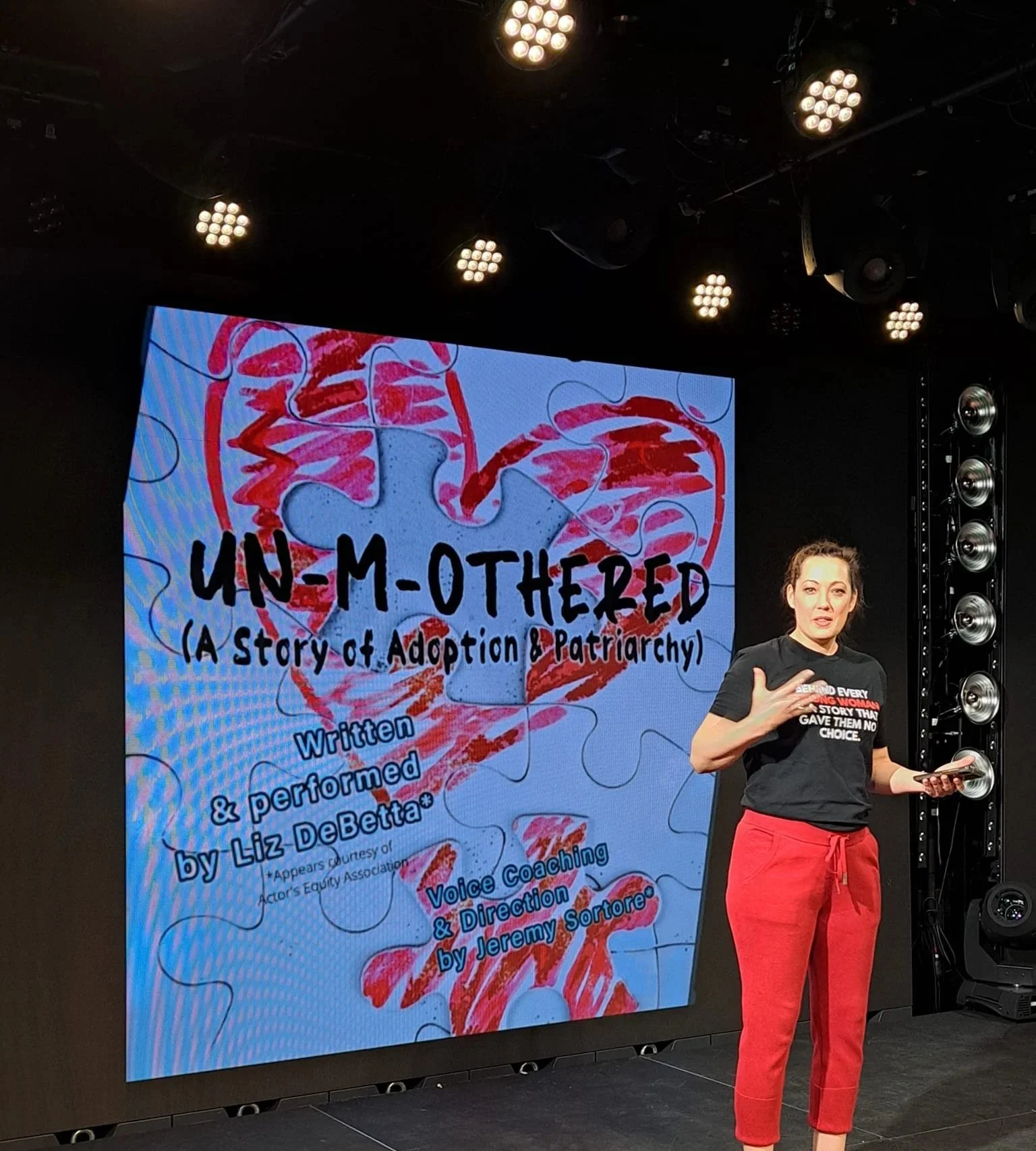
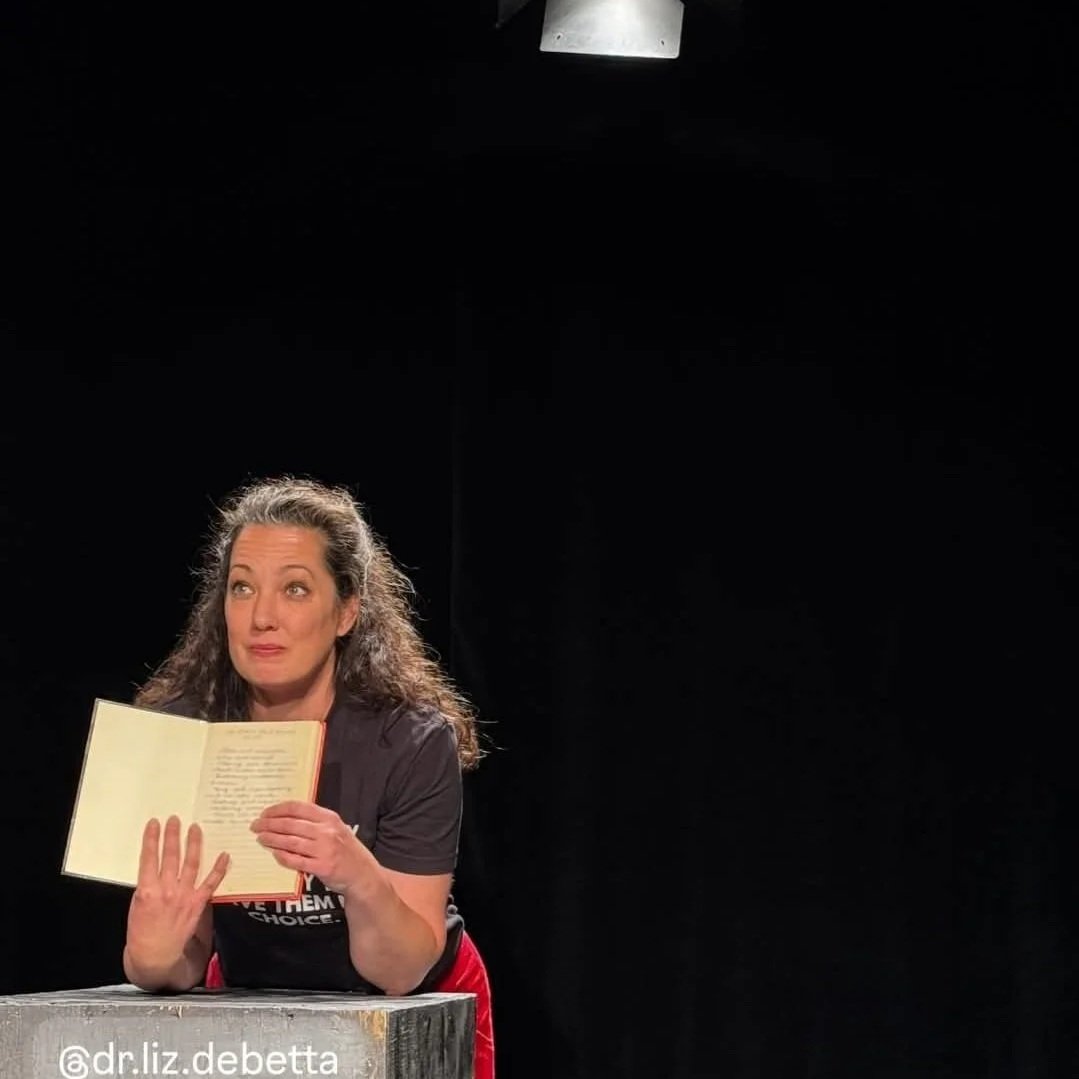
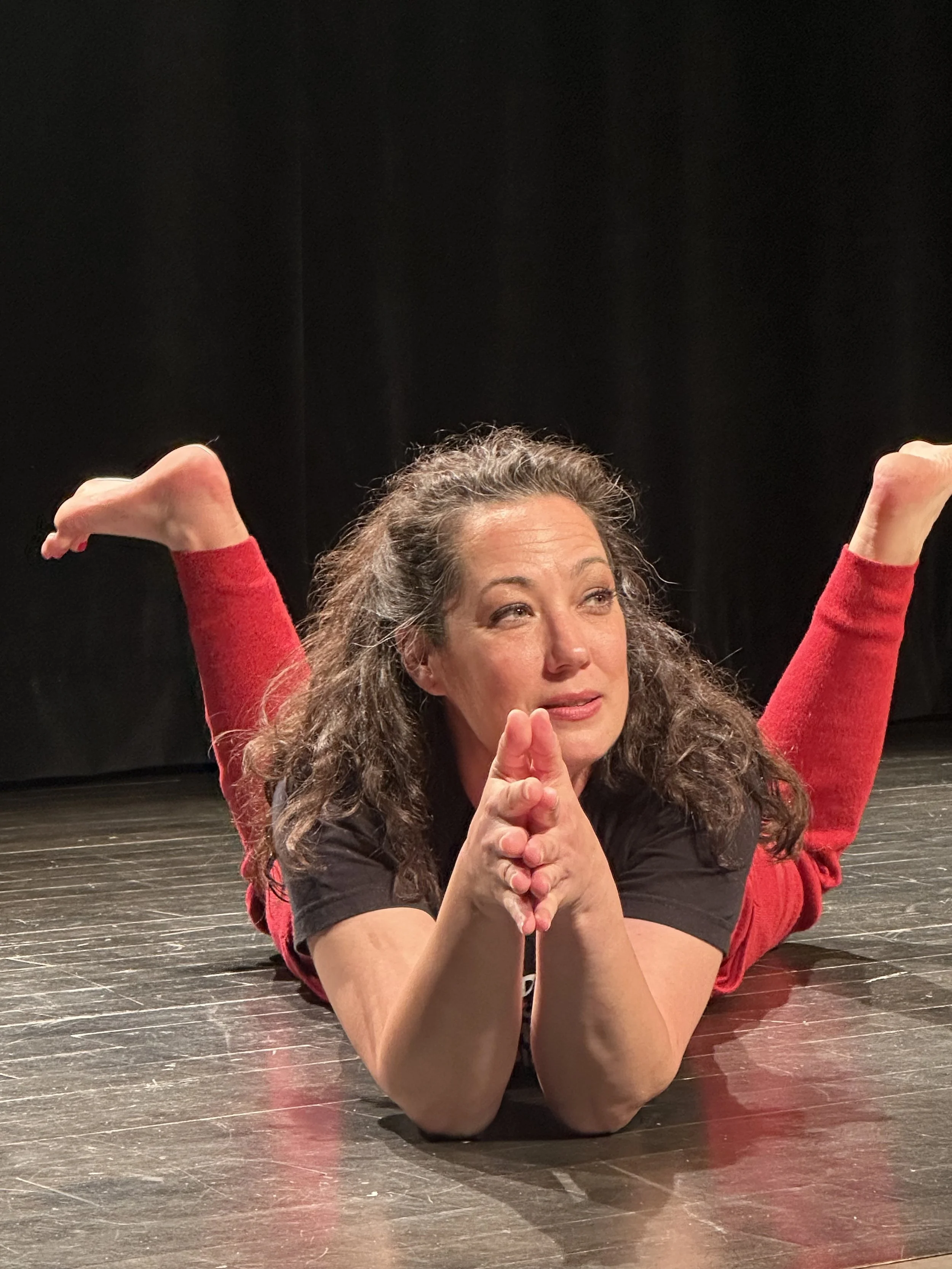
An excerpt from my award-winning solo work. The piece opens with a voice-over "Meditation for Adopted People," accompanied by embodied movement and a full-body scan that invites the audience into presence, memory, and intimacy. Through poetry, narrative, and references to trauma and epigenetics, the full work moves through the separation from a first mother and the lifelong disruptions of being severed from one's origins, the preverbal grief the body holds before there are words for it and the patriarchal systems of shame, secrecy, and silence that produce relinquishment and seal it away. It is a story of fracture and of repair: the long work of becoming whole. This is my artistic practice: using embodied storytelling to translate lived experience and cultural analysis into a space for witnessing, reclamation, and collective healing.
Me, She, They: Our Bodies Are Not the Problem
Me, She, They is a spoken word performance examining how women’s bodies, voices, and choices are shaped and constrained by patriarchal systems of control. Originally created as a solo work that received the Toni A. Gregory Award in 2018, the piece later evolved into a collective storytelling performance in which I perform sections of my original text while six women speak both my words and their own lived experiences. Drawing on feminist and interdisciplinary inquiry, the work explores how cultural messages around sexuality, shame, and “acceptable” womanhood are internalized as guilt, anxiety, and self-objectification, and how women are taught to silence themselves in order to belong. In 2022, the project expanded into an arts-based research and storytelling initiative supported by a Presidential Faculty Research Grant. This offering reflects my artistic methodology: using personal narrative as a catalyst for shared authorship, transforming individual testimony into collective witnessing.
What Organizers & Audiences Are Saying
“Audiences consistently describe the show as life-changing: the first time they felt seen, heard, and understood... a catalyst for collective healing.”
“What a work of both physical and emotional intensity, a depiction of the agony and chaotic inner world of an adoptee. It so clearly and powerfully portrays the journey from the primal wound of maternal separation — the trauma, longing, and dissociation from self — into reunion and healing. Such an honor to share in that vulnerability and see the collective emotions around family separation expressed on stage.”
“My spouse died of cancer at the end of 2022, and I’ve since been channeling my grief into my PhD work because it provides a way to process this big, scary thing in a space that feels safe. Your workshop was another valuable tool for my journey, helping me reflect in ways I didn’t expect. I really enjoyed the exercises and found your approach to be both insightful and grounding. It’s clear how much thought and heart you put into your work, and I’m so grateful to have had the opportunity to engage with it. ”